Investing
Stocks and Shares ISA vs Cash ISA: Which Is Right for You?
Two savers, identical £20,000 ISA allowance, opposite instincts. One logs in every month and likes seeing the balance move in only one direction. The other holds a global equity fund and treats a red month as noise. Neither is wrong. A Cash ISA and a Stocks and Shares ISA are both tax-free wrappers, but they do different jobs, and the right choice depends far less on which sounds clever than on when you actually need the money.
Two wrappers, one allowance
Both sit inside the same annual ISA allowance, which for most adults is £20,000 across every ISA you hold. It resets each tax year in April, and unused allowance does not roll over, so an untouched ISA is a quiet waste of a tax break.
Anything held inside an ISA is free of UK income tax, dividend tax and capital gains tax, and you do not declare it on a tax return. The main types are:
- Cash ISA — a savings account in a tax-free wrapper.
- Stocks and Shares ISA — investments such as funds, investment trusts and shares.
- Lifetime ISA — for a first home or later life, with a government bonus, if you are under 40.
- Innovative Finance ISA — peer-to-peer lending, higher risk, less common.
- Junior ISA — a separate allowance for under-18s.
You can hold a Cash ISA and a Stocks and Shares ISA at the same time, with the same provider or different ones, and you can transfer between them. Transfers do not use up allowance, which is why moving an old Cash ISA into investments is usually simpler than starting from scratch.
The Cash ISA: boring in the best way
Cash does one thing extremely well: it stays put. Your balance does not fall because markets had a bad quarter, and deposits are covered by the Financial Services Compensation Scheme up to £85,000 per person, per bank or building society. Note that brands sharing a banking licence share that limit, so two accounts under one licence are not double-protected.
Easy-access accounts let you take money out whenever you like. Notice accounts and fixed-term deals usually pay more, but they tie your hands for a set period or charge a penalty for early withdrawal. Rates track the Bank of England base rate loosely and competition does the rest, so it pays to compare rather than stick with the account you opened three years ago.
The real enemy is inflation. Money sitting at a rate below inflation loses buying power every year, quietly. And watch for introductory rates that slip down after twelve months; put a reminder in your calendar to review.
Where cash works best
Your emergency fund, money for a car or a kitchen in the next two or three years, a house deposit with a deadline, and any cash you would lose sleep over if the value dropped. If the answer to "when do I need this?" is "soon", cash is not cautious. It is correct.
The Stocks and Shares ISA: higher expected returns, real losses
Inside this wrapper you can hold funds, exchange-traded funds, investment trusts, individual shares and bonds. Values move daily. Over long periods, global shares have historically delivered more than cash, but that comes with falls along the way, and a ten-year horizon is a reasonable expectation rather than a guarantee. Nothing here is protected against investment loss.
Costs matter more than most people expect. You typically pay a platform fee, a fund ongoing charge and sometimes a dealing fee. A fraction of a percentage point sounds trivial until it compounds over twenty years, so compare the total cost, not just the headline account fee.
Two practical points. You can hold cash inside a Stocks and Shares ISA while you decide where to invest, so you do not have to be fully invested on day one. And if a provider fails and cannot return your assets, the Financial Services Compensation Scheme can cover claims up to £85,000 — but it does not compensate you for markets falling.
Access: how quickly can you get your money?
This is the question that settles most ISA debates.
- Cash ISA: often same day or within a working day or two. Fixed-term accounts may charge a penalty or block access entirely.
- Stocks and Shares ISA: you sell investments, wait for settlement, then withdraw — frequently the better part of a week, sometimes longer.
- Flexible ISAs: some providers let you replace money withdrawn in the same tax year without it counting against your allowance. Not all do, so check before relying on it.
There is a second risk with selling investments in a hurry: you may sell during a dip. Money you might need at short notice belongs in cash for that reason alone.
Tax treatment: same wrapper, different value
Both are tax-free, so the comparison is really about what you would pay outside an ISA. Basic-rate taxpayers can currently earn £1,000 of savings interest a year tax-free under the personal savings allowance, higher-rate taxpayers £500, and additional-rate taxpayers nothing. Dividends and capital gains have their own smaller allowances, which have been trimmed in recent years.
The upshot is that a modest cash pot outside an ISA may not be taxed anyway, while the sheltering a Stocks and Shares ISA gives your dividends and gains is usually worth more. Allowances change, so check the current figures on GOV.UK before making a decision based on them.
A practical way to decide
- Build the buffer first. Three to six months of essential spending in an easy-access Cash ISA, before you invest a penny.
- Name the goal and the date. A wedding in three years is a cash job. Retirement in twenty-five years is an investing job.
- Split if you are unsure. Say you have £20,000: keep £6,000 in cash for the next car and invest £14,000 for the long haul. That is a legitimate answer, not a cop-out.
- Keep charges low and contributions regular. A monthly direct debit into a low-cost global fund smooths out the entry price and builds the habit.
- Review once a year, and after anything that changes your plans — a move, a baby, a job change.
- Leave it alone. Most long-term damage is done by selling in a panic and waiting on the sidelines for the "right" moment.
This is general information, not personal advice. If you are dealing with a large sum, a final-salary pension, or tax that is not straightforward, a regulated financial adviser is worth the fee. Otherwise, pick the wrapper that matches your timeline, fund it monthly, and give it time to do its work.
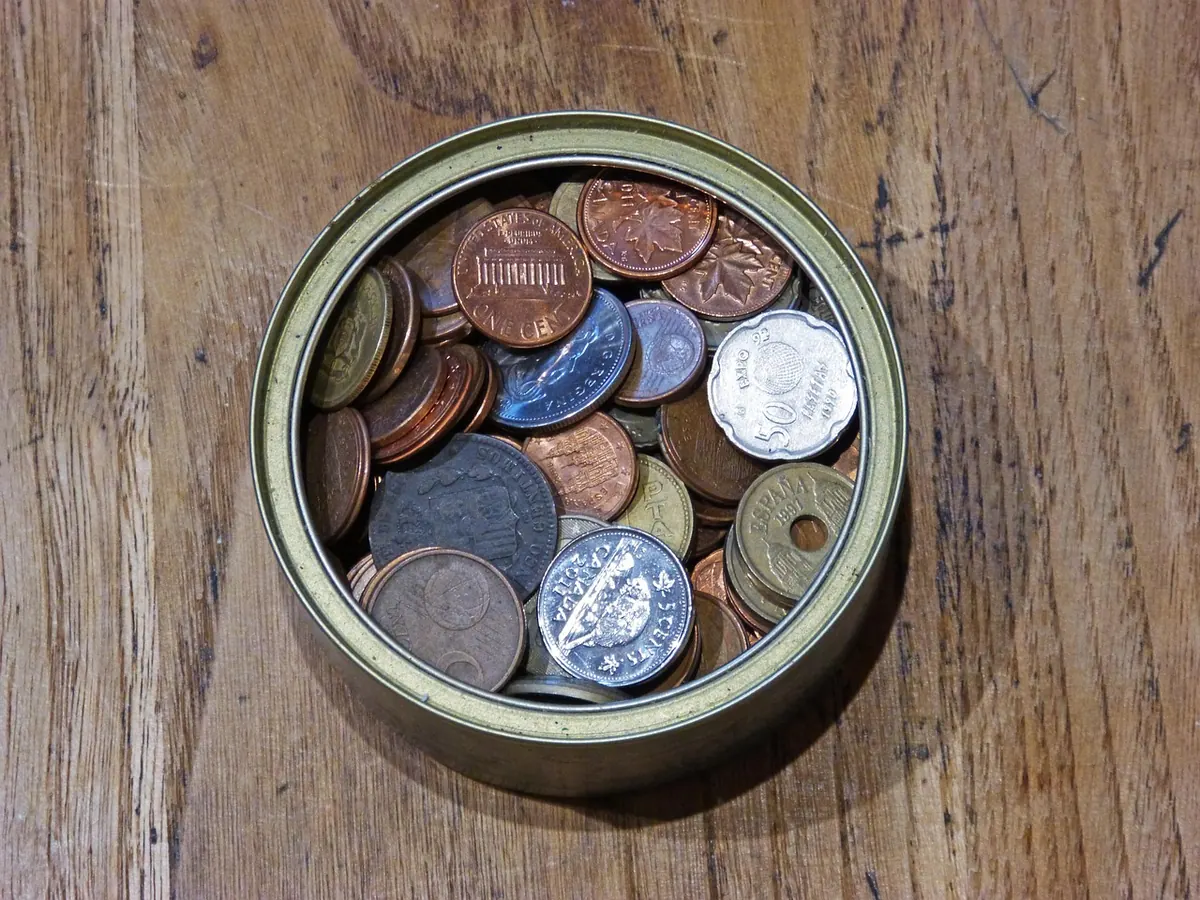
Photo: makamuki0 / Pixabay